Propane is a safe and efficient fuel when handled correctly. The Propane Education and Research Council (PERC) sets the national standard for safe propane use. This page shares PERC guidance and points you to PepUp resources for your home on Delmarva. Keep these steps where your household can find them.
Propane Safety Tips
Trust your nose first. A propane odor is the most common warning sign. Odor can fade in some cases, however, so do not rely on smell alone.
A propane gas detector adds a layer of protection. Mount propane detectors near the floor (usually by directly plugging them into the lowest wall outlets in your home), because propane is heavier than air and settles near the floor. Always read the manufacturer instructions for setup and testing, and make sure you buy a detector that has a battery backup, so it still works when the power’s out.
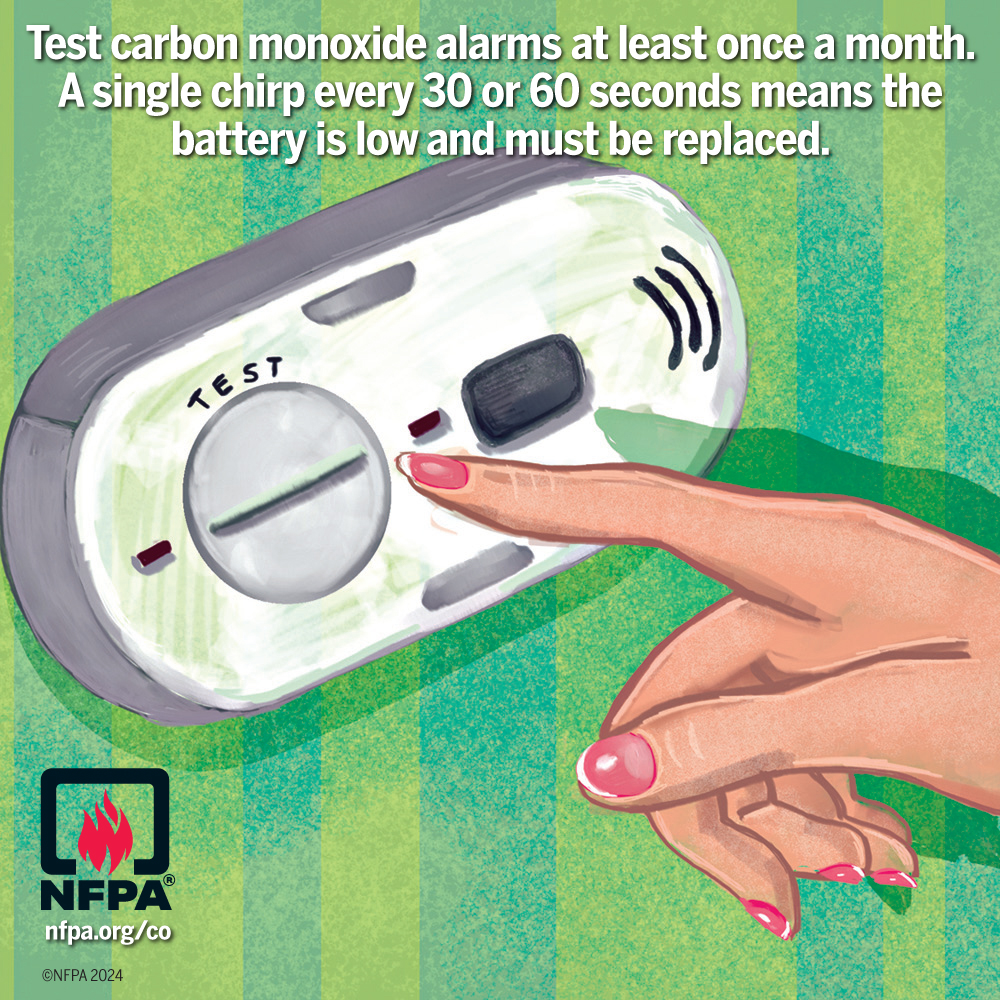
Carbon monoxide is a separate danger. It has no color, no smell, and no taste. It can come from an appliance that burns fuel incompletely. A carbon monoxide detector does not sense a propane leak, and a propane detector does not sense carbon monoxide. The exception to this rule is a combination detector like the GCO1 Plug-in First Alert Explosive Gas & CO Alarm.
We recommend having both types of detectors on every level of your home, within earshot of any sleeping areas. You want to make sure the alarms will wake your family if carbon monoxide or propane are detected in your home when you’re sleeping. Test detectors monthly, and change batteries (even plug-in detectors have backup batteries) at least twice a year.
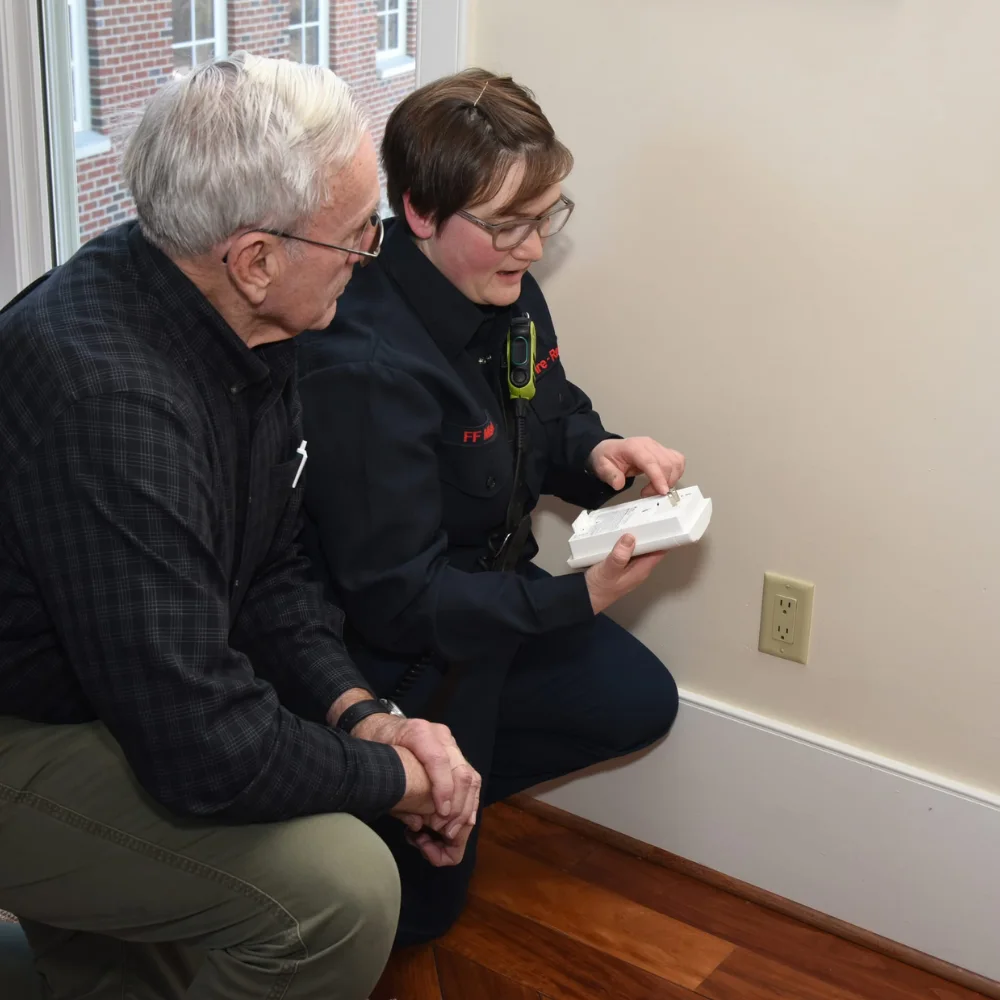
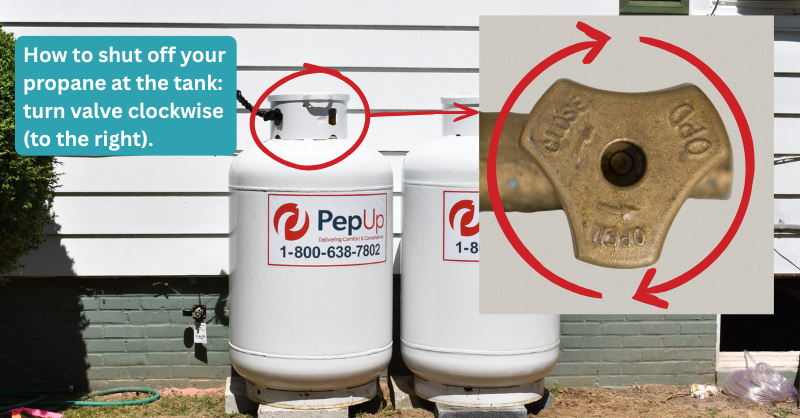
Learn the parts of your tank so you can act fast in an emergency, and check your gauge often so you never run low. Keep the area around your tank clear at all times, being mindful not to cause damage to your tank. Clear snow and ice, for example, with a broom rather than a shovel. This protects supply lines and other parts of your system from damage. Know how to turn off the flow of propane to your home in an emergency.
 Tank placement also matters for safety. See the PepUp guide on where to place a propane tank for setback details. Also, monitor your tank for damage or corrosion. Follow our guidance on when to replace your propane tank, especially if you own your tank, by monitoring for these five signs that it’s time to replace your old propane tank.
Use propane appliances only as the manufacturer intended.
- Never use an outdoor appliance indoors, to reduce the risk of fire and carbon monoxide poisoning. Grills, portable heaters, and generators belong outside. Here’s a quick list of tips for using outdoor propane safely.
- Never use an oven or stovetop to heat a room. If you need a standby propane heater to supplement an electric heating system or provide heat when the power goes out, PepUp can do that. Ask our Energy Specialists about adding a supplemental propane heater to your home!
- Have a qualified professional install and service your appliances, and always have a professional install natural gas-to-propane appliance conversion kits.
- Schedule a furnace check before each heating season. We recommend Comfort Plus Services, a Tri Gas Family Company that offers HVAC and furnace service plans, tune-ups, repairs, conversions, and replacement. Learn more about Comfort Plus Service Plans for all types of furnaces.
Delmarva sees winter storms, coastal flooding, and hurricanes.
- Keep vents, regulators, and chimneys clear of snow and ice.
- After a flood or storm, clear any debris from around your tank and visually inspect your system for damage before you start using it again.
- Contact PepUp if any part of your propane system is damaged.
PERC also offers severe weather safety guidance videos to help you prepare for weather events.
Is your propane tank safe in freezing temperatures? We answer this common question and related questions in our blog post about propane and freezing weather.
From PERC: Download 10 Tips for Propane Safety and Power Outages
“Our team wants every customer to feel confident with propane. Know the smell of gas. Know how to shut off your tank. Keep our number close. Call us anytime you have a question about your system.”
– Jeff Dean, Vice President Safety and Compliance, PepUp
New to Propane?
When you establish service with PepUp, a safety inspection is included. We’ll walk you through how to operate your system and check your propane levels, hand you a safety information sheet with our emergency number, and pressure test your system to make sure there aren’t any leaks, inside or outside your home.
Lost your safety information sheet? Download a replacement now, or call us at 800-638-7802 for a replacement. We can also help you establish service, request an inspection, or report any concerns about your system.
PERC Safety Resources
PERC offers free consumer resources about propane safety. Review them and share the information with your family, so everyone is prepared to prevent and respond to propane emergencies.