Propane

PepUp home and commercial propane delivery and service.
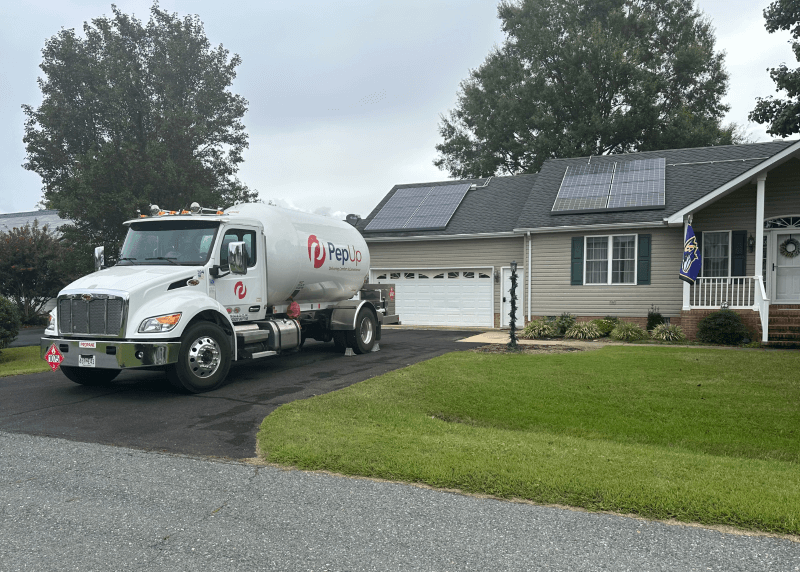
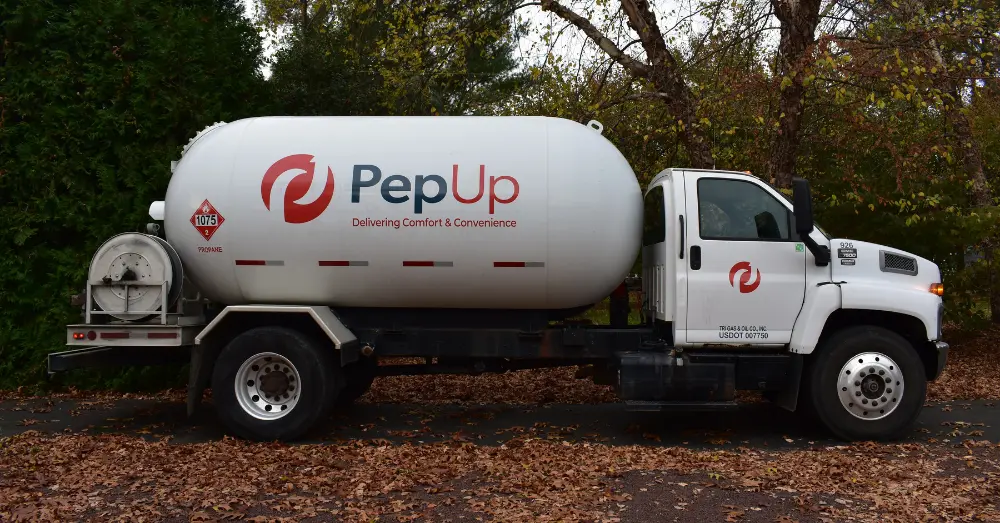
PepUp propane delivery truck at an environmentally friendly Delmarva home with solar panels.

PepUp Pre-Buy: Lock In Summer Rates for Winter

PepUp Pre-Buy lets you buy winter propane at summer prices. You pay up front during the warm months. PepUp delivers those gallons through the cold season as needed. Pre-Buy gives Delmarva households a simple way to plan fuel costs before winter arrives. Skip ahead to: What Is Pre-Buy? How Does PepUp...

Read more...
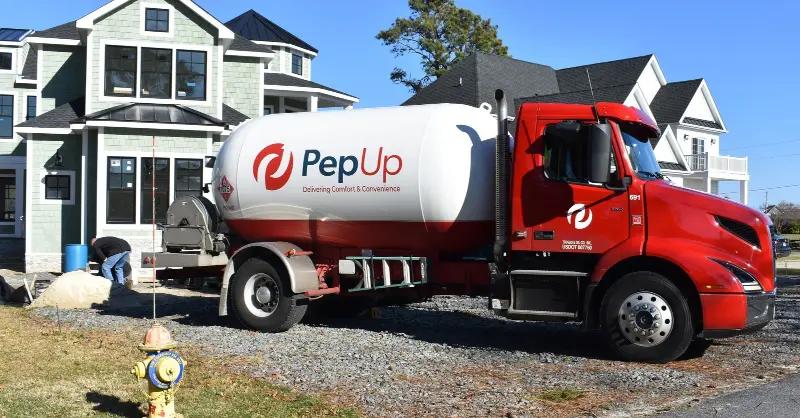
Propane cost per gallon blog post: image of a PepUp propane delivery truck.

10 factors that affect propane cost per gallon

PepUp delivers propane and fuel across Delaware, Maryland, and Virginia. The number one question customers ask our drivers and energy specialists is, “why does propane cost per gallon change so much?” In response, this guide breaks down the ten factors that affect the price of propane, and when is the best...

Read more...
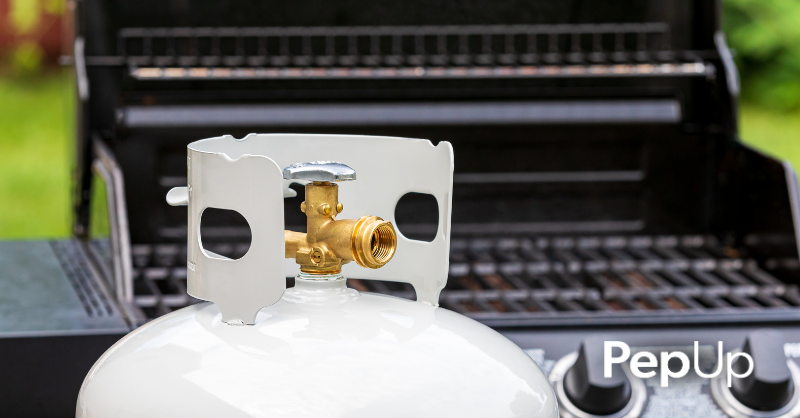
Propane grill and 20-pound grill tank.

A complete guide to outdoor propane use on Delmarva

Outdoor propane gets a workout on Delmarva, no matter the season. Spring and summer are the time to fire up the grill, the pool heaters, and outdoor kitchens. Even into fall, patio heaters and fire pits help extend porch time. Across Delaware, Maryland, and Virginia, propane is one of the most flexible...

Read more...
A home on the Eastern Shore of Maryland features energy efficient windows and upgrades to improve energy use.

Home energy efficiency guide for Delmarva homeowners

Lower your propane and heating oil costs while staying comfortable all year with practical upgrades that work for homes on the Eastern Shore Delmarva winters can be unpredictable. One week you're dealing with raw, damp air blowing off the Chesapeake Bay. The next week, temperatures drop below freezing and stay there....

Read more...
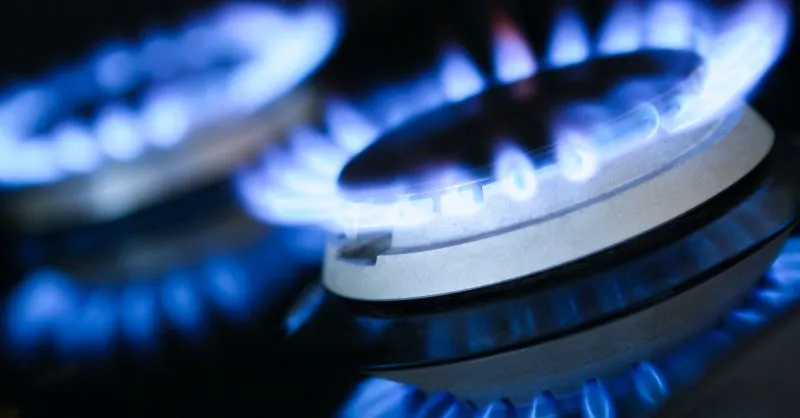
Propane gas vs. natural gas blog post image of a blue gas stovetop flame.

Propane gas vs. natural gas: Which is better for your home?

Some local residents have wondered about propane gas vs. natural gas for home energy needs, so we decided to break down the differences for those who are considering switching to propane. Whether you already have natural gas service at your home or you’re building a new home and...

Read more...
A PepUp technician inspects a 124-gallon propane tank regulator at a residence in Delaware prior to completing a pressure test and safety check, fall 2025.

A complete guide to residential propane tank sizes

Residential propane tanks typically range in size from 59 to 1,000 gallons, with most homes using a 59-, 124-, 250-, or 500-gallon tank depending on heating needs, appliance usage, and seasonal demand. Choosing the right tank size should be based on your highest-use months so you have...

Read more...
Image of snow-covered PepUp propane tanks.

Can your home propane tank freeze? PepUp Answers

Our local climate in the Delmarva region is temperate, yet unpredictable, especially during the winter months. It's crucial to ensure that your home is prepared for the challenges of the season, but there’s one question we hear a lot that we’d like to reassure our customers shouldn’t be an issue:...

Read more...
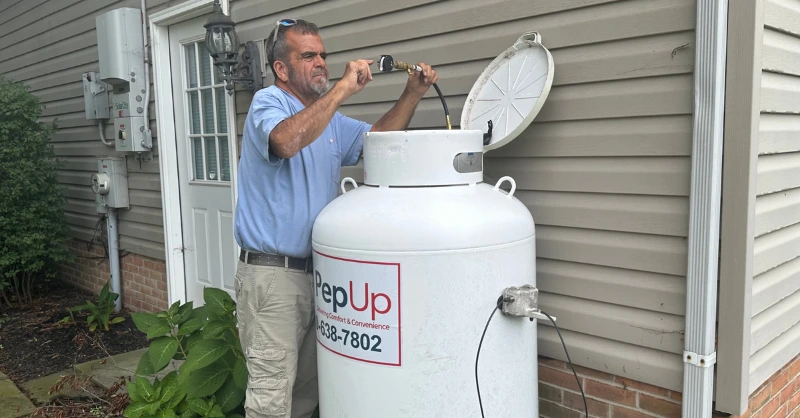
How to order emergency propane delivery in winter and stay warm and safe, blog post image of driver delivering home propane.

How to request emergency propane delivery when your tank runs out

It's important to keep an eye on your propane tank's fuel level to prevent running out of gas, which would require ordering an emergency propane delivery. That’s why so many PepUp customers choose Automatic Delivery services to minimize the risk that their home’s propane will run out, especially during the...

Read more...
Image of a red pole barn in a grain field with trees turning fall colors, indicating a need for a pole barn heater.

A complete guide to choosing the best pole barn heaters

A complete guide to choosing the best pole barn heaters Pole barn heaters need to meet some requirements that are unique to these popular building styles: They need to circulate heat to compensate for high ceilings; They should be mounted relatively high, for safety; and, They should have intuitive, ground-level user controls. Add to this...

Read more...