Choosing a home heating system is a long-term decision and a big investment. Propane and electric heat both work well on Delmarva, but the one that’s right for your home and family will depend on several factors.
Here are a few points to consider when deciding whether to heat your home with propane or electricity for the winter.
Skip ahead to:
How Propane and Electric Heat Work
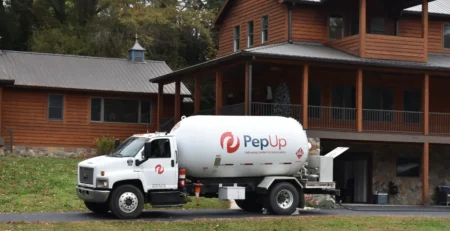
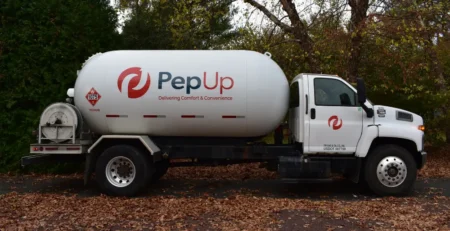
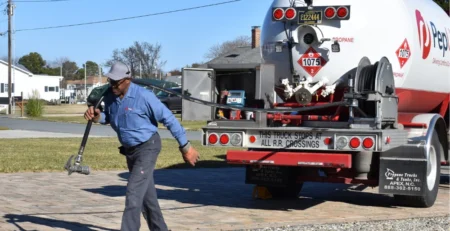
Propane furnaces or boilers burn fuel to produce heat. A propane tank on your property stores the fuel, and PepUp delivers more as you use it.
Electric systems work two main ways.
- Resistance heaters, like non-heat-pump central heating systems and baseboard heaters, convert electricity directly into heat.
- Heat pumps move warm air from outside into your home, even in cold weather, and reverse the process to cool your home in summer.
Cost to Operate
Delmarva Power raised electric rates twice in 2026, increasing the average residential bill by about 13 percent. Compared to local electricity rates, the price per gallon for propane has fluctuated very little in recent years.
Heating a 2,000 square foot home in Federalsburg, keeping the thermostat at the recommended winter setting of 68°F for the entire heating season, here’s what homeowners can expect to pay for heat in the winter:*
- Electric heat pump: $3,713
- Propane furnace: $5,065
- Non-heat pump electric central heat or electric baseboard: $9,284
Many older homes on Delmarva use electric baseboard heating and are the most expensive to heat. For propane users, there’s an advantage: a level payment plan, which averages the cost of propane over 11 months, means heating bills won’t look different from summertime propane bills. That helps homeowners budget, and doesn’t strain finances right around the holidays.
These are modeled estimates for a 2,000 square foot home in zip code 21632. Actual heating costs vary from home to home.
Several factors can change your real number:
- Your home’s energy efficiency, including insulation, age, windows, and air sealing
- Local weather in a given winter, which varies year to year
- Thermostat habits, including different thermostat settings when you’re away, or at night, which could lower energy usage
- The specific efficiency of your furnace, heat pump, or baseboard system
- Delmarva Power’s rate for your ZIP code, which can vary by location (this example was for Federalsburg, calculated on August 26, 2026)
- Whether you shop a competitive electric supply plan through Maryland’s deregulated market Propane market price fluctuations; this example is based on The Promise Plan‘s capped rate of $2.99 per gallon, updated September of 2026; call PepUp for current rates
Contact a PepUp Energy Specialist for a cost estimate based on your actual home.
Comfort and Heat Output
Propane furnaces typically deliver warmer air at the vent than electric heat pumps. Many homeowners notice the difference on the coldest days of the year.
Heat pumps lose efficiency as outdoor temperatures drop. Most rely on a backup electric resistance element during extreme cold, which increases electric usage right when rates are highest.
Reliability During an Outage
Power outages often follow winter storms. Electric heat, including heat pumps, stops working the moment the power goes out. Running a propane backup generator may help a homeowner restore power and heat, depending on the size of the generator.
Some propane heating options keep running without electricity. Vented and vent-free propane heaters use a standing pilot instead of a powered blower, so they still work during an outage. A central furnace with an electric blower will not work, propane or electric, unless it’s paired with a generator.
Environmental Considerations
Both fuels have a real environmental footprint. Propane burns cleaner than heating oil, with fewer byproducts released at combustion.
Electric heat has no on-site emissions, but its overall footprint depends on how the electricity was generated. The regional grid still draws on a mix of sources, not all of them low-carbon.
Neither system is emissions-free. Homeowners weighing this factor should look at their specific electricity provider’s generation mix for an apples-to-apples comparison.
Installation, Equipment, and Maintenance
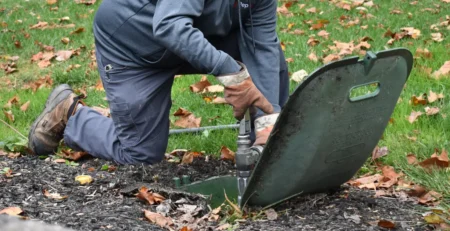
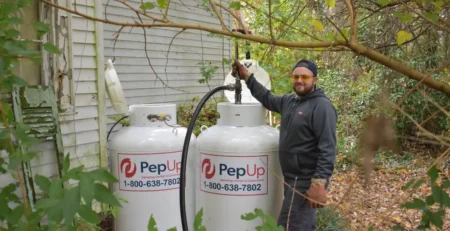
 Propane systems need a tank, either owned or leased, plus regular delivery. PepUp visually inspects tanks at every fill and at least once a year, and maintains leased tanks as needed to keep them in optimal working condition.
Electric systems need enough electrical capacity to run the unit, and heat pumps require an outdoor compressor. No fuel storage or delivery scheduling is involved.
Up-front equipment costs vary by home and system size. A PepUp Energy Specialist can walk through options for new installations or conversions from oil or electric baseboard heating.
Which Heat Source Fits Your Home?
The right choice depends on your home’s construction, your area’s storm risk, and what you value most. Use the tool below to select what factors apply to you, and see which energy source best meets your needs.
Which Heat Source Fits Your Home?
Check what applies to your home and priorities to see your recommendation.
What applies to you?
How PepUp Helps
 PepUp gives Delmarva customers three ways to manage propane costs.
- Price Protection caps your price for the heating season.
- Pre-Buy lets you purchase a set number of gallons at the lower summer rate for winter delivery.
- The Promise Plan spreads payments evenly across 11 monthly installments.
Learn more about payment plans and find the option that fits your home. A PepUp Energy Specialist can answer any questions you may have about adding propane heat to your home.
Frequently Asked Questions (FAQ)
It depends on the season and current rates. Electric rates in Delaware rose about 13% in 2026, while propane prices have been comparatively steady. Programs like The Promise Plan help propane customers plan ahead to avoid winter price increases.
Yes, but efficiency drops as temperatures fall. Some heat pumps use a backup electric resistance element during extreme cold, which increases electric usage. Many Delmarva residents prefer a heat pump that uses a propane backup heating system, which is efficient and doesn’t increase electricity bills as dramatically as the electric version.
Electric heat, including heat pumps, stops when the power goes out. Some propane heating options, like vented and vent-free wall heaters, keep running without electricity.
Yes. A PepUp Energy Specialist can evaluate your home and walk you through the conversion process, including conversion and fuel pricing, tank size selection, tank delivery, and system installation and propane safety. To learn more, use the PepUp checklist for adding propane heat to your home.