Home Energy Efficiency Guide for Delmarva Homeowners
Lower your propane and heating oil costs while staying comfortable all year with practical upgrades that work for homes on the Eastern Shore
Delmarva winters can be unpredictable. One week you’re dealing with raw, damp air blowing off the Chesapeake Bay. The next week, temperatures drop below freezing and stay there. Maryland climate data is proof that we have plenty of winter nights below freezing, and many days where propane or oil furnaces run constantly.
For many of us who have experienced the shock of high energy bills and unexpected fuel deliveries in the winter, hearing furnaces run nonstop can be stressful.
This guide focuses on practical, affordable energy efficiency improvements that combat your home’s heat loss and humidity issues, which can impact fuel costs. We’ll start with quick wins you can tackle yourself, then move into larger projects where rebates and professional help are available.
Jump ahead to:
- Why Delmarva homes struggle with comfort and efficiency: Is your home inefficient?
- What a professional home energy assessment includes, and how to get one
- A prioritized list of home energy efficiency improvements, with estimated fuel savings
- Local rebates for equipment and efficiency upgrades
- When to call a professional right away
- Frequently Asked Questions (FAQs) about home energy efficiency on Delmarva
Why Delmarva homes struggle with comfort and efficiency
 Most comfort problems in a home come down to two issues: air leaks and moisture.
Air leaks pull in cold air during winter and hot, humid air during summer. Moisture makes indoor air feel colder in winter and warmer in summer. Your thermostat gets turned up or down more than it should, and your propane or oil furnace runs longer in the winter to compensate.
When your heating system runs more than it should, you burn through fuel faster. Every degree you raise the thermostat because of drafts or poor insulation is fuel you didn’t need to use.
Signs you have air leakage issues:
- Rooms that never match the thermostat setting
- Drafts near baseboards or around recessed lights
- Condensation on windows after rain
- Your propane or oil furnace runs longer than expected, or never stops
- Propane deliveries are more frequent than they were last winter
- Musty smells in certain areas
Quick fixes that make a noticeable difference:
- Weatherstrip exterior doors and the attic hatch
- Seal gaps where pipes or wires enter the home
- Add or upgrade door sweeps on exterior doors
- Install outlet gaskets on exterior walls
Warm air rises, so the attic is usually the biggest escape route for heated air. Start with the attic hatch and any visible penetrations. These simple fixes often cost less than $50 and can be completed in a weekend.
Get a professional home energy assessment
The state governments of both Delaware and Maryland offer programs that help homeowners find and fix efficiency problems. A professional assessment will identify air leaks, insulation gaps, and heating system issues you might not notice on your own.
Delaware residents can start at Energize Delaware for rebates, financing, and program information. Delaware also offers Home Energy Rebate Programs with rebate ranges based on income and project type.
Maryland residents can reference EmPOWER Maryland for utility-led incentives that often include audits, weatherization, and efficient appliance usage and replacement tips.
What to request during your assessment (usually included):
- Blower door testing to measure air leakage
- Infrared scanning to spot insulation gaps
- Duct leakage evaluation for ducted systems
- Combustion efficiency testing for your propane or oil heating system
A prioritized list of key improvements with estimated fuel savings
If your home is a second home or vacation property, ask your home energy auditor or HVAC professional for recommendations that protect the building during vacancy. Air sealing and humidity control usually matter more than thermostat upgrades when the home sits empty, although access to a wi-fi thermostat via your smartphone from anywhere can help you monitor system performance. Proper pre-season tune-ups also protect your propane or oil heating system during periods when the home is unoccupied.
Where insulation improvements pay off fastest
Many Delmarva homes are a mix of different construction styles. Original structures get additions over time. Attics vary from vented to finished. These “mix and match” builds create comfort problems that look like HVAC problems but are actually “envelope” issues.
Your home’s walls, windows, and doors act as a barrier between the conditioned air inside your home and the air outside. Sometimes called a “building envelope” or a “thermal envelope,” gaps or weaknesses in that barrier are often just referred to as envelope issues. Those barrier breakdowns make your heating and cooling systems work harder because—like you may have heard growing up—you really ARE trying to heat and cool the whole world. But luckily, you can fix that before your energy bills try to ruin you.
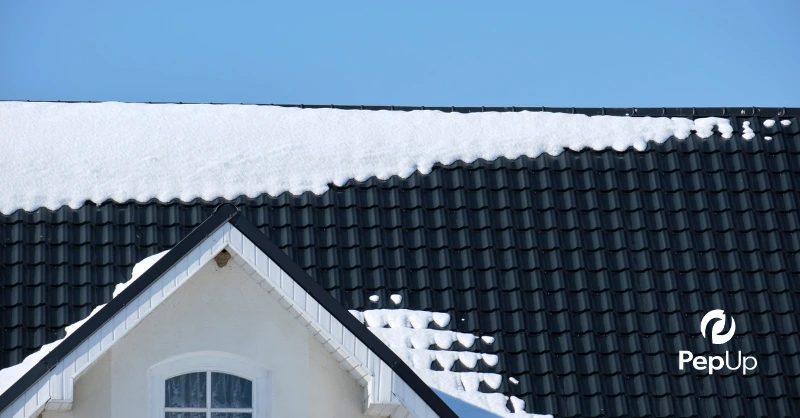
Focus on these areas first when adding insulation:
- Attic floor and attic access points (heat rises, so start at the top)
- Crawlspace rim joists and band boards
- Knee walls and bonus room sloped ceilings (usually under-insulated)
- Ductwork in unconditioned spaces
Important note about crawlspaces: A crawlspace can be a major moisture source in coastal areas. Insulation alone might not be the right first move. Air sealing, vapor control, and drainage improvements often come first.
Make your heating system work smarter
Your propane or oil heating system cannot outwork a leaky house forever. Once your home is sealed up tighter, heating system improvements deliver more noticeable results and better fuel efficiency.
High-value heating system maintenance:
- Replace filters on schedule (check monthly during heating season)
- Keep supply and return vents clear of furniture and curtains
- Schedule seasonal tune-ups that check combustion safety, airflow, and controls
- Seal accessible duct leaks with mastic first, then duct tape if needed
- Verify your thermostat schedule matches your routine
- Have your oil burner nozzle cleaned and adjusted annually
- Check propane tank levels regularly and maintain automatic delivery
If you have uneven temperatures between rooms, the problem is often airflow or duct balance rather than equipment size. Comfort Plus Services, a TriGas Family Company, can evaluate your heating system and recommend improvements. Their NATE-certified technicians understand how propane and oil heating systems work in Delmarva homes.
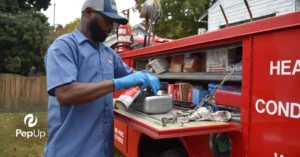 Considering a system upgrade or conversion? If your oil or propane heating system is more than 15 years old, a high-efficiency replacement might make sense after you’ve tightened your home’s thermal envelope. Comfort Plus Services offers heating system conversions and can help you understand whether upgrading your heating oil system to propane will deliver meaningful fuel savings based on your home’s current efficiency.
Reduce hot water waste
Hot water is one of the biggest steady energy loads in your home. Many homeowners waste energy here without noticing. If you heat water with propane or oil, reducing hot water waste means burning less fuel.
Quick wins for water heating:
- Set your water heater temperature appropriately for your household (120°F is sufficient for most homes)
- Insulate hot water pipes and water heater tanks in unconditioned areas
- Fix dripping faucets and running toilets
- Install low-flow showerheads
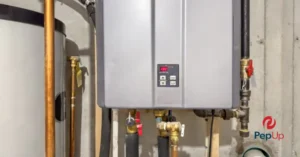
If your household uses a lot of hot water, upgrading to a more efficient, tankless propane water heater might make sense. Other times, better insulation and leak fixes solve the problem at lower cost.
Windows: Focus on air sealing before replacement
Window replacement can be the right decision in some cases, but it rarely delivers the best return on investment. In many Delmarva homes, the more cost-effective improvement is stopping air leakage around window frames and improving window coverings.

Try these steps before considering window replacement:
- Re-caulk exterior gaps where frames meet siding
- Add or repair interior trim sealing
- Use cellular shades or insulated curtains in winter
If your windows have persistent condensation, the root cause might be indoor humidity and air leakage rather than the glass itself. Fixing the envelope often fixes the window problems.
Manage humidity year-round
Humidity control matters on Delmarva because damp outdoor air is common. Indoor humidity can rise quickly in any home, no matter how well insulated and sealed, especially with people going in and out of doors during daily routines.
Better humidity control improves comfort and helps protect your home from moisture damage.
Winter guidance:
- Avoid over-humidifying, especially during very cold weather
- Use bath fans during showers and vent them to the exterior
- Run kitchen ventilation while cooking
- Keep crawlspace moisture sources under control
Summer guidance:
- Use a properly sized dehumidifier if needed
- Make sure HVAC drain lines are clear and draining correctly
- Address crawlspace moisture problems before they reach living spaces
Look for rebates before you buy equipment or make upgrades
Both Delaware and Maryland offer rebates for home energy improvements. Delaware’s Home Energy Rebate Programs provide information on rebate ranges based on income and project type.
Most homeowners take the following steps when looking into a rebate program:
- Get a professional assessment
- Complete rebate-eligible air sealing and insulation upgrades
- Replace heating equipment with modern, efficient options that are sized correctly for your home
When you reduce heat loss through better insulation and air sealing first, you might discover you can downsize your heating system. A smaller, more efficient propane or oil furnace matched to your actual heating needs will save fuel every winter, and your home will be more comfortable.
Before you purchase new equipment, verify:
- Program eligibility rules
- Required contractor participation
- Pre-approval steps
- Documentation and timelines
Skipping paperwork steps can accidentally disqualify an otherwise eligible project. Contact your state program administrator before making major purchases.
Pair efficiency improvements with budget-friendly fuel delivery
Efficiency upgrades help you use less fuel. Smart fuel delivery programs help you manage costs and avoid running out during cold snaps.
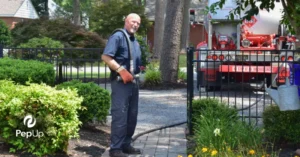 PepUp’s Promise Plan combines automatic propane delivery with affordable monthly payments and a price cap that protects you from market fluctuations. When you pair efficiency improvements with automatic delivery, you get:
- Fewer emergency deliveries during peak season (when you might have to wait in the cold due to delivery request volume)
- More predictable fuel costs throughout the year
- Peace of mind knowing your tank won’t run out (The Promise Plan’s “No Run Out” Guarantee is a promise you can count on.)
- Lower overall fuel consumption thanks to your efficiency improvements
The Promise Plan works especially well to lower your bills when combined with home energy improvements. Your reduced fuel consumption means lower tank refill frequency, and Automatic Delivery ensures you maintain consistent comfort without thinking about tank levels.
When to call a professional right away
Some situations should not wait for a DIY weekend or routine maintenance schedule.
Call a professional immediately if:
- You smell fuel, exhaust, or “rotten egg” odors near your furnace, boiler, or water heater
- Your heating system short cycles, makes unusual noises, or struggles to heat the home
- You see soot, scorch marks, or otherwise have repeated pilot issues
- You have persistent condensation, mold concerns, or wet insulation
- Your propane tank shows signs of damage or corrosion
- Your oil tank shows rust, leaks, or structural concerns
- Your carbon monoxide detector activates
PepUp offers 24/7 emergency fuel delivery if you run out of propane or heating oil during extreme cold, but we don’t recommend waiting until you run out. That’s when demand is highest, and you may still be without heat until we can get your fuel delivered.
Comfort Plus Services provides 24/7 emergency HVAC service for heating system repairs. Here’s a guide to emergency HVAC services from CPS, to help you determine if your heating system problem is an emergency.
Start with small steps, build toward bigger improvements
Delmarva weather has a way of exposing every weak spot in your home. PepUp can connect you with qualified contractors who understand how homes in our area are built, and what improvements deliver the best fuel savings for propane and heating oil customers.
You don’t need to tackle everything at once. Start with air sealing and insulation. Address moisture problems. Keep your propane or oil heating system maintained. Each improvement makes the next one more effective.
If you’re a PepUp customer and want recommendations specific to your home propane or heating oil needs, reach out to our Energy Specialists at 800-638-7802. We can help you understand how the improvements in this guide can best work with your propane or heating oil system to deliver better comfort and lower fuel costs.
Frequently Asked Questions (FAQs) About Home Energy Efficiency on Delmarva
Insulation costs in Delaware and Maryland vary based on the area you’re insulating and the type of insulation you choose.
For typical Delmarva homes:
- Attic insulation: $1,500 to $6,000 for blown-in cellulose or fiberglass
- Crawlspace insulation: $250 to $550 for a 300-square-foot space in Delaware
- Whole-home insulation: $10,000 or more for comprehensive upgrades in Maryland
- Per square foot: $1 to $4 for most residential projects
Costs depend on your home’s size, current insulation levels, and whether you qualify for rebates through Energize Delaware or EmPOWER Maryland programs.
Depending on how much you’re upgrading, better insulation can reduce heating costs by 10-30% annually. For Delmarva homeowners heating with propane or oil, that translates to meaningful savings.
If you spend $2,500 per year on propane or heating oil, proper insulation could save $250 to $750 annually. The exact savings depend on:
- How much insulation you currently have
- Where you add new insulation (attic usually delivers the best return)
- How drafty your home was before improvements
- Your heating system efficiency
Air sealing combined with insulation typically delivers the best results. Many homeowners notice comfort improvements immediately and see lower fuel bills within the first heating season.
A home energy assessment is a professional inspection that identifies where your home loses energy. Assessors use specialized equipment like blower doors and infrared cameras to find air leaks, insulation gaps, and heating system issues.
You should get an assessment if:
- Your heating costs seem higher than they should be
- Some rooms are always colder than others
- You have noticeable drafts around windows or doors
- Your propane deliveries are more frequent than expected
- You’re planning major efficiency upgrades and want to prioritize improvements
Delaware and Maryland both offer low-cost or free assessments through state programs. The assessment typically takes 1-2 hours and provides a prioritized list of improvements with estimated costs and savings.
Most insulation projects pay for themselves in 3 to 10 years through reduced heating and cooling costs.
Attic insulation typically pays back fastest (3-5 years) because heat rises and attic improvements stop the biggest source of heat loss. Crawlspace and wall insulation may take longer to recoup costs but still deliver good returns over time.
If you qualify for rebates through Delaware or Maryland programs, your payback period shortens significantly. Some homeowners see payback in under 3 years when rebates cover 30-50% of project costs.
Yes. Better insulation reduces how often your furnace or boiler needs to run, which directly reduces fuel consumption.
Homeowners who add attic insulation and air sealing typically see:
- 15-25% reduction in heating fuel usage
- Fewer propane deliveries per season
- Lower heating oil bills throughout winter
- More stable indoor temperatures
The reduction varies based on your starting point. Older homes with little or no insulation see the biggest improvements. Newer homes with some insulation see smaller but still meaningful reductions.
Add insulation first in most cases. Insulation and air sealing deliver better return on investment than window replacement for most Delmarva homes.
Windows account for about 10-25% of heat loss in a typical home. Attics, walls, and air leaks account for 60-70% of heat loss. Spending $15,000 on window replacement might reduce heat loss by 15%. Spending $5,000 on attic insulation and air sealing might reduce heat loss by 30%.
Start with:
- Air sealing and weatherstripping
- Attic insulation improvements
- Crawlspace insulation and moisture control
- Window replacement (if windows are damaged or severely inefficient)
You can improve window performance at low cost by adding cellular shades or insulated curtains, re-caulking frames, and weatherstripping.
Consider replacement if your system is:
- More than 15 years old
- Requiring frequent repairs
- Showing soot buildup or unusual noises
- Struggling to heat your home on cold days
- Consuming noticeably more fuel than in past years
However, complete your home’s efficiency improvements first before replacing equipment. After you reduce heat loss through insulation and air sealing, your heating needs drop. You might discover you can downsize to a smaller, more efficient system that costs less to run and install.
Comfort Plus Services can evaluate your heating system and recommend whether repair, upgrade, or replacement makes the most sense after envelope improvements.
Start with these high-impact, low-cost improvements to reduce your home’s energy usage and improve efficiency in just one weekend.
Saturday morning:
- Weatherstrip exterior doors ($20-40)
- Seal the attic hatch ($15-25)
- Add outlet gaskets on exterior walls ($10-20)
- Install door sweeps ($15-30 per door)
Saturday afternoon:
- Seal visible gaps around pipes and wires with caulk or spray foam ($20-40)
- Replace furnace filter ($10-25)
- Insulate hot water pipes in basement or crawlspace ($30-60)
Sunday:
- Check crawlspace for excessive moisture or standing water (free)
- Clear vents and returns (free)
- Adjust thermostat schedule to match your routine (free)
- Test carbon monoxide detector (free)
Total cost: Under $200 for materials. These improvements can reduce heat loss by 5-15% and make your home noticeably more comfortable.
Humid air feels colder in winter and warmer in summer, which causes you to adjust your thermostat more than necessary.
In winter, high indoor humidity combined with cold outdoor temperatures creates condensation on windows and walls. This moisture makes your home feel colder, so you turn up the heat. Proper ventilation and humidity control help maintain comfort at lower thermostat settings.
In crawlspaces, high humidity can wet insulation and reduce its effectiveness. Wet insulation loses most of its R-value and can lead to mold growth. Managing crawlspace moisture protects your insulation investment and helps your heating system work more efficiently.
Yes. Both states offer rebates and financing options for qualifying improvements.
Delaware:
- Energize Delaware offers rebates for insulation, air sealing, and efficient heating systems
- Home Energy Rebate Programs provide income-based rebates for whole-home improvements
- Low-interest financing available for qualifying projects
Maryland:
- EmPOWER Maryland offers utility-led incentives including rebates and financing
- Income-eligible weatherization programs provide free improvements
- Tax credits available for certain efficiency upgrades
Check eligibility requirements and pre-approval steps before starting projects. Missing paperwork can disqualify otherwise eligible improvements.
A professional assessment typically follows a standard process.
Before the visit, you will:
- Gather 12 months of propane or heating oil bills
- List any comfort problems (drafty rooms, condensation, uneven temperatures)
- Ensure access to attic, basement, and heating equipment
During the visit (1-2 hours):
- Blower door test to measure air leakage
- Infrared scanning to find insulation gaps
- Inspection of heating system and ductwork
- Combustion efficiency testing for propane or oil furnaces
- Visual inspection of attic, basement, and crawlspace
- Review of utility bills and usage patterns
After the visit:
- Written report with findings
- Prioritized list of recommended improvements
- Estimated costs and potential savings
- Rebate program information
- Timeline for implementing improvements
The assessment helps you understand where your home loses energy and which improvements deliver the best return for your specific situation.
The Promise Plan combines automatic propane delivery with affordable monthly payments and a price cap. When you pair energy efficiency improvements with The Promise Plan:
- Reduced fuel consumption from insulation means lower monthly payments
- Automatic delivery ensures consistent comfort without running out
- Price caps protect you from market fluctuations
- You avoid emergency deliveries during peak season
R-value measures how well insulation resists heat flow, while air sealing stops air from leaking in and out of your home. Even high R-value insulation doesn’t work well if air flows around it.
Higher R-values mean better insulation. Delmarva homes typically need:
- R-49 to R-60 in attics
- R-13 to R-21 in walls
- R-25 to R-30 in crawlspaces
Think of it this way: R-value is a warm winter coat. Air sealing is zipping the coat closed. You need both to stay warm. Adding insulation without air sealing is like wearing an unzipped coat. Most professionals recommend air sealing first, then insulation. This sequence delivers the best results for heating fuel savings.
Both work well in Delmarva homes. The right choice depends on your specific situation.
Blown-in cellulose or fiberglass:
- Lower cost ($1-3 per square foot)
- Works well for attics and open areas
- Good for adding to existing insulation
- Settles over time and may need topping off
- Good R-value (R-3.5 to R-3.8 per inch)
Spray foam:
- Higher cost ($3-6 per square foot)
- Excellent air sealing properties
- Works well for crawlspaces and rim joists
- Doesn’t settle or shift
- Higher R-value (R-6 to R-7 per inch for closed-cell)
- Good for hard-to-reach areas and irregular spaces
For most Delmarva homeowners, blown-in insulation in the attic combined with spray foam in the crawlspace and rim joists delivers the best overall value.
Yes. Insulation works both ways. It keeps heat out in summer just as effectively as it keeps heat in during winter.
Better insulation reduces:
- Air conditioner runtime
- Indoor temperature swings
- Humidity infiltration
- Hot spots in upstairs rooms
Combined with proper attic ventilation, good wall (and sometimes floor) insulation makes your home more comfortable year-round. Many Delmarva homeowners notice the biggest comfort improvement in upstairs bedrooms during summer months.
Schedule professional service annually, ideally in early fall before the heating season begins.
Annual service should include:
- Combustion efficiency testing
- Burner nozzle cleaning and adjustment (oil systems)
- Filter replacement
- Inspection of heat exchanger for cracks or damage
- Vent and flue inspection
- Safety control testing
- Thermostat calibration
Well-maintained heating systems use 5-10% less fuel than neglected systems. Regular service also prevents breakdowns during the coldest weeks of winter.
Comfort Plus Services offers heating system maintenance plans that include annual tune-ups, priority service, and discounts on repairs.